Noisy audio can weaken accuracy
Background music, overlapping voices, echo, and distant microphones can make words harder to recognize.
Workaround
Use the clearest recording available and check uncertain phrases against the original audio.
Browser transcription
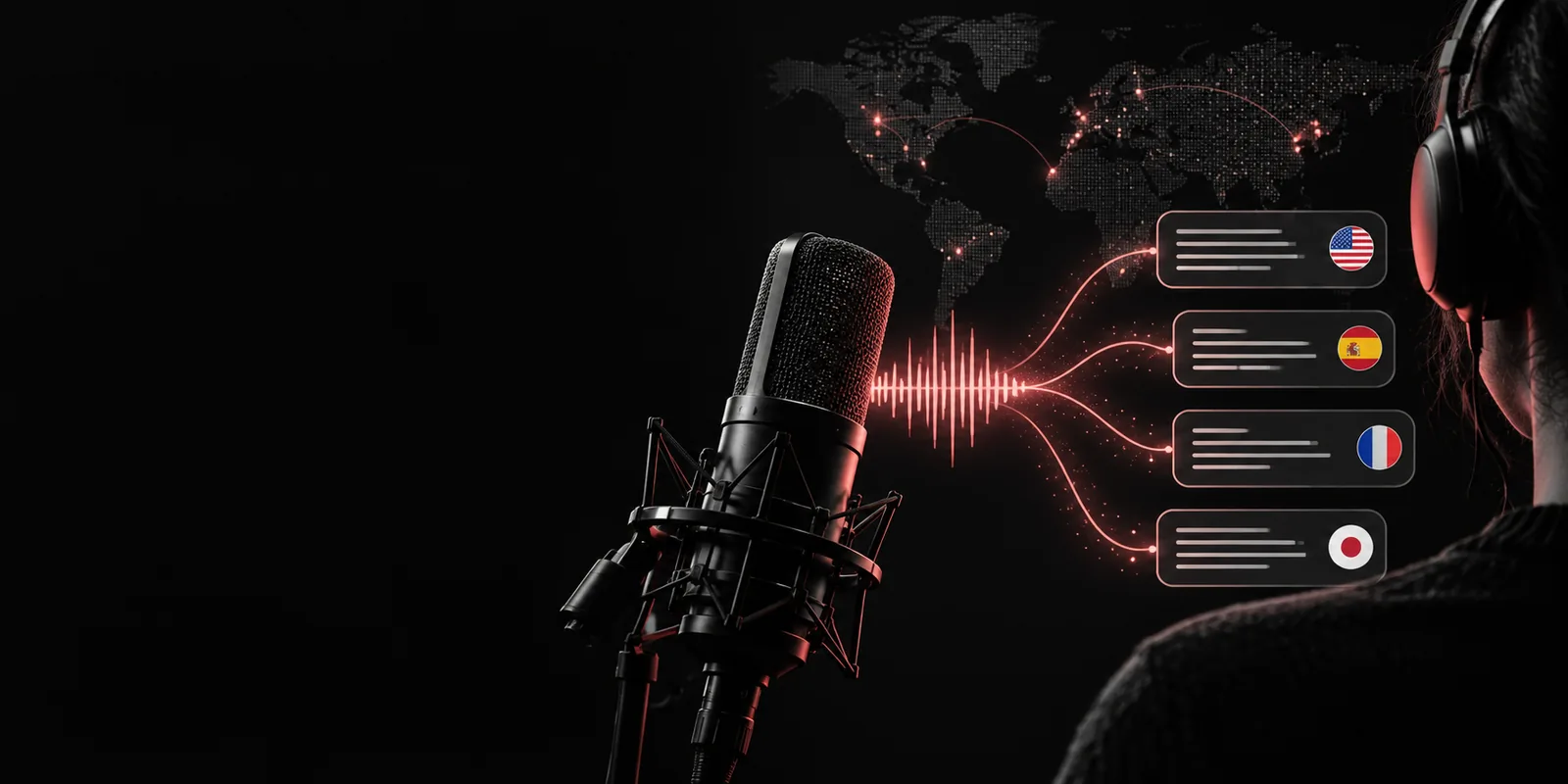
Whisper online free gives you a simple browser route for turning a recording into readable text. Upload an audio file, let the speech recognition run, then review the result without setting up a local environment.
Related guides
The free browser route is useful for a quick result, while these guides explain other ways to work with the same speech recognition family.
Simple workflow
A short browser workflow keeps the first attempt focused: provide a recording, check what was heard, and save the useful text.
Select a clear audio file from your device. Interviews, notes, meetings, and short voice clips are good starting points.
Send the recording through the browser tool and allow the speech recognition pass to finish before judging the wording.
Read through names, technical terms, punctuation, and speaker changes. Keep the corrected version as your working copy.
Route comparison
Both routes aim to produce text from speech, but the free entry point is designed for a narrower, lower-friction task rather than a complete production workflow.
Primary purpose
General Whisper online route
Flexible browser-based transcription for repeated work
Whisper online free
A quick first transcript from one recording
Setup
General Whisper online route
May involve more choices before processing
Whisper online free
Open the page and provide the audio
Best for
General Whisper online route
Longer workflows and more deliberate review
Whisper online free
Short interviews, notes, clips, and one-off checks
Editing expectation
General Whisper online route
Designed for a fuller review process
Whisper online free
Review the returned text in your own editor
Technical control
General Whisper online route
More room for workflow-specific decisions
Whisper online free
A focused path with fewer controls
Output use
General Whisper online route
A starting point for organized transcription work
Whisper online free
Fast copy, cleanup, and note making
Cost barrier
General Whisper online route
Depends on the route and its available options
Whisper online free
Free entry point for trying the workflow
Know the boundaries
A free route removes setup friction, but it does not remove the need for clean source audio or human review. These limits are part of using it well.
Background music, overlapping voices, echo, and distant microphones can make words harder to recognize.
Workaround
Use the clearest recording available and check uncertain phrases against the original audio.
Names, acronyms, product terms, and unusual vocabulary can be rendered phonetically or inconsistently.
Workaround
Search the transcript for proper nouns and compare them with your notes, slides, or source documents.
A transcript can capture the words without giving you a polished, publication-ready speaker layout.
Workaround
Mark speaker turns manually while listening, then format the final document for its audience.
The browser route is for getting text from audio, not for organizing every recording, permission, version, or retention rule.
Workaround
Move important transcripts into your own approved notes, document, or storage workflow.
From audio to text
The source recording is continuous and difficult to scan. The returned text gives you a surface you can search, correct, quote, and turn into notes.
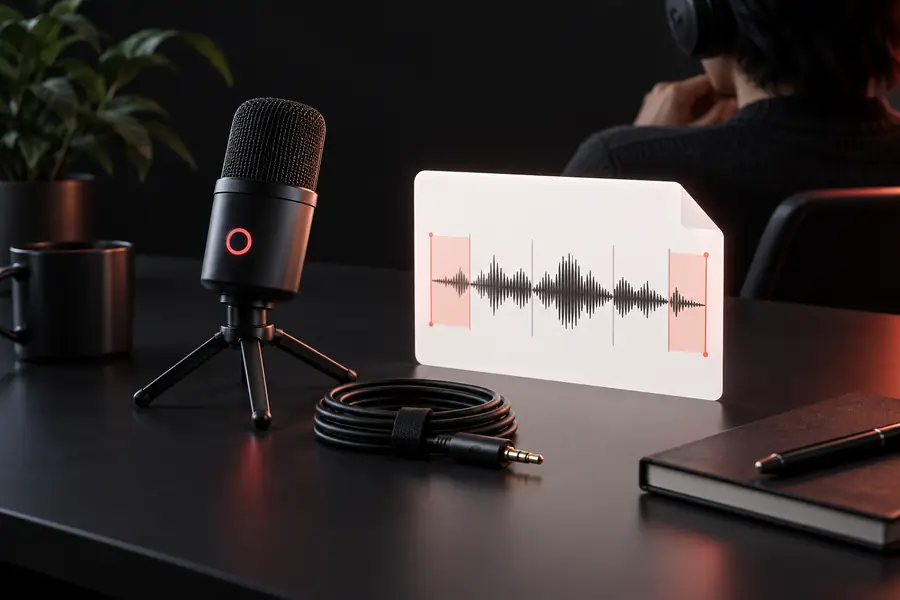 Before: recording
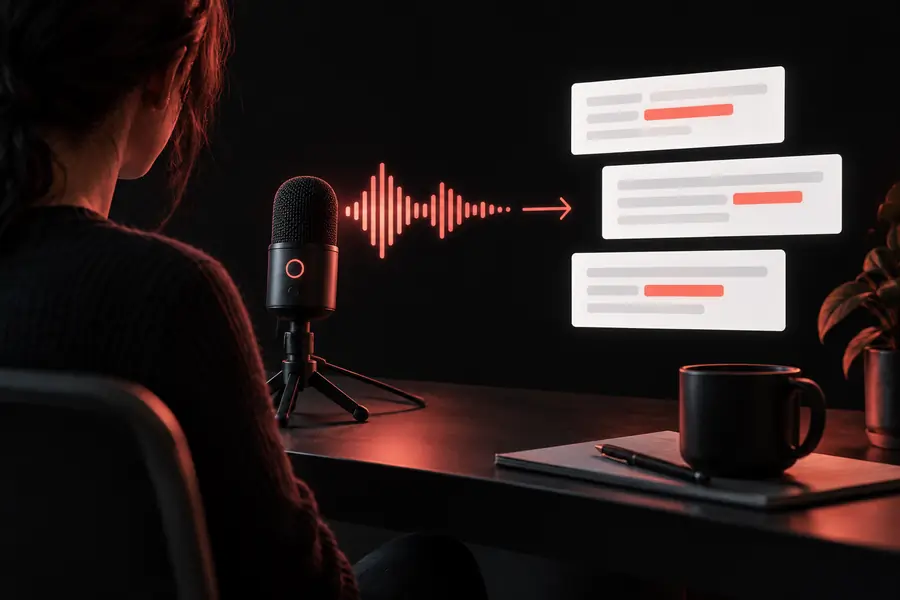 After: transcript
Ready to try
If you want a low-friction first pass, use whisper online free for a short recording and inspect the result before building a larger workflow. The fastest way to judge the route is to test it with audio you already understand, so accuracy is easy to evaluate.
Transcribe an audio fileCommon questions
It refers to using Whisper-style speech recognition through a browser without paying to try the basic transcription workflow. You provide an audio recording and receive text that you can review and edit.
Yes, this route is designed to reduce setup by keeping the first transcription step in the browser. You still need a recording that the tool can accept, and you should review the result before relying on it.
Use a recording with clear speech, limited background noise, and a microphone placed reasonably close to the speaker. A short interview, voice memo, or meeting excerpt makes it easier to compare the transcript with the original.
No speech recognition route is perfect. Accuracy can change with accents, overlapping speakers, poor recording quality, names, specialist vocabulary, and background sound, so important text should be checked against the audio.
You can correct names and punctuation, separate speakers, search for key passages, and turn the text into notes or a summary. Keep the cleaned version in the document or storage system you normally use.